Laravel Pint Now Replaces Fully Qualified Class Names with Imports
- Automatically convert fully qualified class names to short names with use imports for cleaner code.
- Enhance code readability and maintainability by leveraging Laravel Pint’s new fully_qualified_strict_types rule.
- Seamlessly update existing Laravel projects with minimal manual intervention using Pint’s automated fixer.
- Customize Pint configuration to control import behavior and integrate with diverse coding standards.
Laravel Pint, the popular PHP code style fixer tailored for Laravel applications, has introduced a significant enhancement to its Laravel preset. The new fully_qualified_strict_types rule now automatically replaces fully qualified class names (FQCNs) with their short class names and adds the necessary use import statements at the top of PHP files. This update not only streamlines code but also improves readability and aligns with modern PHP coding standards.
By adopting this rule, Laravel developers can expect a smoother development workflow and cleaner codebases, as the rule applies comprehensively to code references and PHPDoc annotations. This article dives into the rule’s functionality, practical usage, configuration options, and the overall impact on Laravel projects.
Continue Reading
What Does the Fully Qualified Strict Types Rule Do?
The fully_qualified_strict_types rule in Laravel Pint is designed to automatically refactor PHP code by replacing fully qualified class names with their short, unqualified names and adding the corresponding use import statements at the beginning of the file. This applies to all instances where classes are referenced, including:
- Type hints in method parameters
- Return type declarations
- PHPDoc annotations such as
@param,@return,@var, and@throws - Inline code references within the body of methods
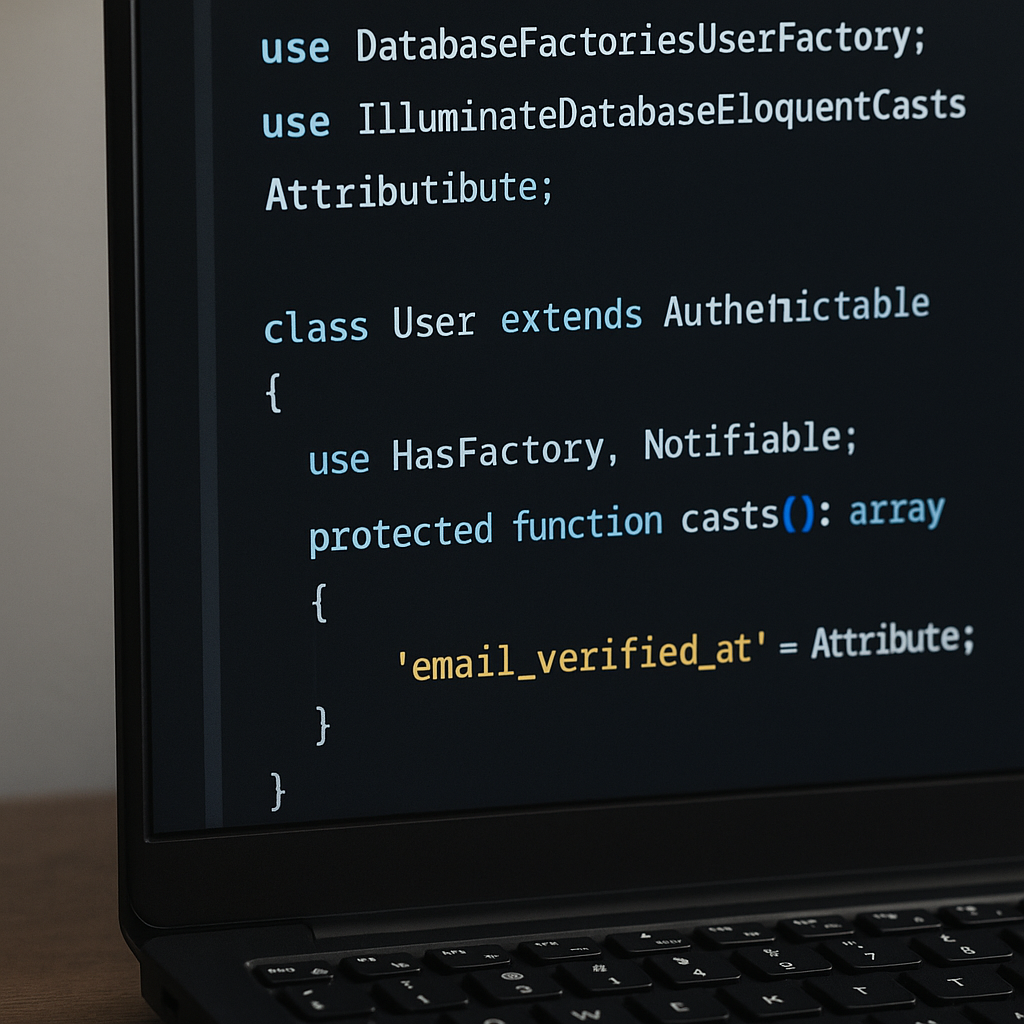
For example, consider a Laravel model class referencing the IlluminateDatabaseEloquentCastsAttribute class using its fully qualified name:
class User extends Authenticatable {
    /** @use HasFactory<DatabaseFactoriesUserFactory> */
    use HasFactory, Notifiable;

    protected function casts(): array {
        return [
            'email_verified_at' => IlluminateDatabaseEloquentCastsAttribute::class,
        ];
    }
}
After running Laravel Pint with the new rule enabled, the code is transformed to:
use DatabaseFactoriesUserFactory;
use IlluminateDatabaseEloquentCastsAttribute;

class User extends Authenticatable {
    /** @use HasFactory<UserFactory> */
    use HasFactory, Notifiable;

    protected function casts(): array {
        return [
            'email_verified_at' => Attribute::class,
        ];
    }
}
This refactoring removes the clutter of long class names throughout the code and centralizes imports, making the code easier to read and maintain.
How to Enable and Use the Rule in Your Laravel Project
If you are using Laravel Pint’s default Laravel preset, the fully_qualified_strict_types rule is already included and active. To benefit from this feature, simply update Laravel Pint to the latest version and run it against your codebase:
composer update laravel/pint
./vendor/bin/pint
For projects that utilize a custom Pint configuration via pint.json, you can manually add the rule with the following configuration snippet:
{
  "preset": "psr12",
  "rules": {
    "fully_qualified_strict_types": {
      "import_symbols": true
    }
  }
}
Setting import_symbols to true instructs Pint to automatically add use import statements for any fully qualified class names it encounters, even if those classes were not previously imported. This ensures comprehensive coverage and consistent code style.
Benefits of Replacing FQCNs with Imports
Adopting this rule offers several tangible benefits for Laravel developers and teams:
- Improved Readability: Short class names reduce visual noise, making code easier to scan and understand.
- Cleaner Codebase: Centralized imports at the top of files provide a clear overview of dependencies.
- Consistency: Enforces a uniform style across the entire project, reducing style debates.
- Better IDE Support: Many IDEs and static analysis tools work more effectively with imported classes.
- Reduced Typing Errors: Short names minimize the risk of typos in long namespace declarations.
Potential Impact and Considerations When Updating Existing Projects
When you first run Laravel Pint with this rule enabled on an existing codebase, expect a one-time large diff as all fully qualified class names are replaced with imports. This cosmetic change does not affect the runtime behavior of your application but can impact code reviews and merge processes temporarily.
Teams should coordinate this update carefully, ideally integrating it as part of a dedicated code style cleanup or refactoring sprint. Automated testing should be used to ensure no regressions occur during this transition.
How This Rule Fits Into Laravel and PHP Ecosystem Standards
The fully_qualified_strict_types rule is based on the Symfony PHP-CS-Fixer project, a widely adopted tool for PHP code style enforcement. Laravel Pint leverages Symfony’s robust ruleset to provide Laravel-specific code style fixes, ensuring compatibility with PSR standards and best practices.
By adopting this rule, Laravel developers align their codebases with modern PHP community standards, facilitating collaboration and integration with third-party packages and frameworks.
Customizing the Rule for Your Workflow
While the default behavior suits most projects, Laravel Pint allows customization of the rule through the pint.json configuration. You can enable or disable automatic imports, exclude certain namespaces, or adjust how PHPDoc annotations are handled.
For example, if you want to only shorten class names without adding new imports, you can set import_symbols to false. This flexibility helps teams adopt the rule incrementally or tailor it to specific coding guidelines.
Practical Tips for Using Laravel Pint with the New Rule
- Run Pint regularly as part of your CI/CD pipeline to maintain consistent code style.
- Combine this rule with other Laravel Pint presets to enforce a comprehensive style guide.
- Use IDE integrations or pre-commit hooks to automatically apply Pint fixes before code review.
- Educate your team on the benefits of imports over fully qualified names to encourage adoption.
Summary
Laravel Pint’s new capability to replace fully qualified class names with short names and corresponding use import statements marks a significant step forward in Laravel code style automation. This feature improves code clarity, aligns with PHP standards, and simplifies maintenance for Laravel developers. By updating Laravel Pint and enabling this rule, teams can effortlessly modernize their codebases and enjoy the benefits of cleaner, more readable PHP code.
Frequently Asked Questions
pint.json with "import_symbols": true under the rules section to automatically add use statements for fully qualified class names.pint.json if custom rules or presets are needed to match your coding standards.pint.json configuration file in version control, enforce Pint fixes via pre-commit hooks, and provide team training on the coding standards enforced by Pint.Call To Action
Upgrade your Laravel projects today by integrating Laravel Pint’s fully_qualified_strict_types rule to ensure cleaner, more maintainable code with automated import management. Start modernizing your codebase now for better developer productivity and code quality.
Note: Provide a strategic conclusion reinforcing long-term business impact and keyword relevance.