
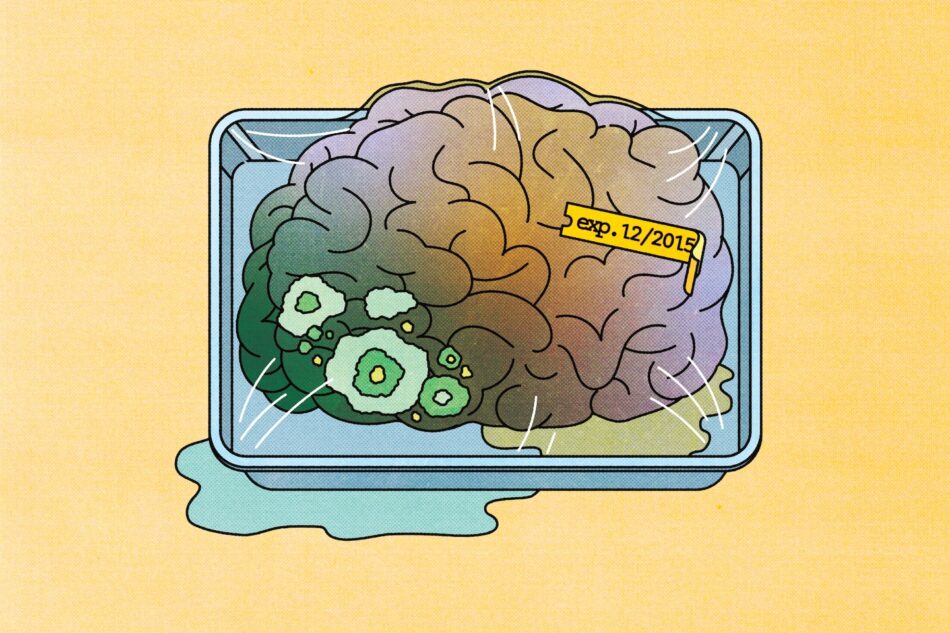
Is ‘Brain Rot’ Real? How Too Much Time Online Can Affect Your Mind
In an increasingly digital world, the term ‘brain rot’ has emerged, often used to describe the cognitive decline associated with excessive online activity. As we spend more time on screens, questions arise about the effects on our mental health and cognitive functions.
This article explores the phenomenon of ‘brain rot’, examining the scientific evidence behind it, its implications for mental health, and strategies for mitigating its effects.
Continue Reading
Understanding ‘Brain Rot’
The term ‘brain rot’ is not a clinical diagnosis but rather a colloquial expression that suggests a decline in cognitive abilities due to prolonged exposure to digital media. This phenomenon is often characterized by decreased attention spans, impaired memory, and a general sense of mental fatigue.
The Science Behind Cognitive Decline
Research has shown that excessive screen time can lead to various cognitive impairments. Here are some key findings:
- Attention Span: Studies indicate that the average attention span has decreased significantly over the past few decades, with some reports suggesting it has dropped to as low as eight seconds.
- Memory Impairment: Digital media can lead to cognitive overload, making it difficult for individuals to retain information. This is often referred to as ‘digital amnesia’.
- Increased Anxiety and Depression: Excessive online activity, particularly on social media, has been linked to higher levels of anxiety and depression among users.
How Digital Media Affects the Brain
Understanding how digital media impacts brain function is crucial. Here are some mechanisms at play:
Neuroplasticity
The brain is capable of reorganizing itself by forming new neural connections throughout life. While this can be beneficial, excessive digital consumption can lead to maladaptive changes in brain structure and function.
Reward Systems
Digital platforms are designed to be addictive, often leveraging the brain’s reward systems. This can result in compulsive behavior, where users continuously seek validation through likes and shares.
Identifying Symptoms of ‘Brain Rot’
Recognizing the signs of cognitive decline due to excessive online time is essential for intervention. Common symptoms include:
- Difficulty concentrating on tasks.
- Frequent forgetfulness.
- Increased irritability or mood swings.
- Feeling overwhelmed by information.
- Reduced interest in offline activities.
Strategies to Mitigate Cognitive Decline
To combat the effects of ‘brain rot’, individuals can adopt several strategies:
1. Set Time Limits
Establishing boundaries on screen time can help reduce cognitive overload. Consider using apps that track and limit usage.
2. Engage in Offline Activities
Incorporating offline hobbies such as reading, exercising, or spending time in nature can help restore cognitive function.
3. Practice Mindfulness
Mindfulness techniques, such as meditation and deep breathing exercises, can improve focus and reduce anxiety.
4. Prioritize Sleep
Adequate sleep is vital for cognitive health. Establishing a regular sleep schedule can improve memory and attention.
The Role of Education and Awareness
Educating individuals about the potential risks of excessive screen time is crucial. Awareness can lead to healthier habits and better mental health outcomes.
- Workshops and Seminars: Organizations can conduct sessions on digital wellness.
- Parental Guidance: Parents should monitor and guide their children’s screen time to foster healthy habits from a young age.
Conclusion
While ‘brain rot’ may not be a medically recognized condition, the cognitive decline associated with excessive online activity is a real concern. By understanding its implications and taking proactive measures, individuals can safeguard their mental health in a digital age.
Frequently Asked Questions
‘Brain rot’ is a colloquial term used to describe cognitive decline associated with excessive time spent online, leading to symptoms like poor attention and memory issues.
Yes, studies have shown that excessive screen time, especially on social media, is linked to increased levels of anxiety and depression.
Setting time limits on screen use, engaging in offline activities, practicing mindfulness, and prioritizing sleep are effective strategies to reduce the effects of ‘brain rot’.
Call To Action
Take control of your digital consumption today. Implement strategies to protect your mental health and enhance your cognitive function.
Note: In a world dominated by technology, being mindful of our online habits is essential for maintaining cognitive health.