I vibe coded an AI security system for my aging parents, they’re safer
- Leveraging AI to enhance elderly care safety through real-time monitoring and fall detection.
- Using vibe-coding platforms to rapidly develop integrated AI caregiving systems without prior coding experience.
- Improving caregiver accountability and dignity with AI-driven interaction analysis and advocacy tools.
- Launching a scalable AI startup to provide accessible eldercare security solutions for families nationwide.
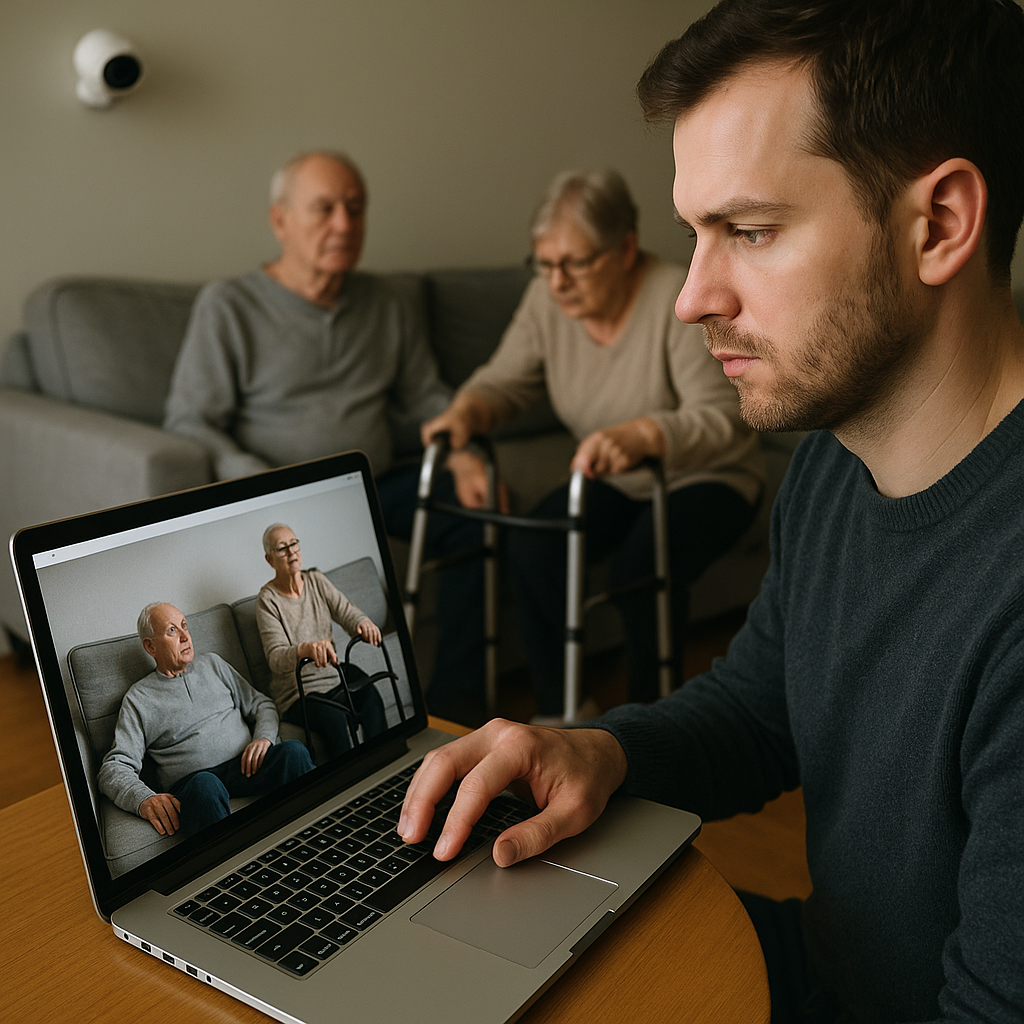
When caring for aging parents, ensuring their safety and dignity can be challenging, especially when you cannot be physically present. Srdjan Stakic, a former film producer with no coding background, transformed this challenge into an opportunity by vibe coding an AI security system tailored to monitor his parents’ wellbeing. This innovative approach uses AI-powered cameras and real-time analytics to detect falls, assess caregiver interactions, and alert loved ones to emergencies.
Stakic’s journey from personal caregiving to launching a startup called Alvis highlights how accessible AI tools and platforms can empower individuals to create customized solutions. His system not only enhances safety but also preserves the dignity of elderly users by focusing on respectful care and privacy. This article explores the technology behind the system, its practical applications, and the broader implications for AI-assisted eldercare in today’s aging society.
Continue Reading
What is vibe coding and how did it enable this AI security system?
Vibe coding is a low-code or no-code development approach that allows users to build complex software applications by describing functionalities in natural language or simplified interfaces. For Srdjan Stakic, vibe coding was the key to creating an advanced AI caregiving system without prior programming knowledge. Using platforms like Lovable, he could design, test, and iterate his system in real time, integrating frontend, backend, databases, and AI models seamlessly.
This method significantly reduces the barriers to entry for innovative AI applications, enabling caregivers and non-technical users to tailor solutions to their specific needs. Stakic combined vibe coding with AI chatbots such as ChatGPT and Gemini to plan the system’s ethical and technical framework before building it.
How does the AI security system improve safety for aging parents?
The core functionality of Stakic’s system is real-time fall detection using AI-equipped cameras strategically placed in the home. The system analyzes video feeds to identify falls and immediately notifies family members or emergency services, providing location and a brief health summary. This rapid response capability is critical for reducing the risk of serious complications from unattended falls.
Beyond fall detection, the system continuously scans the environment for potential hazards like loose cables or trip risks, proactively preventing accidents. This AI safety monitoring enhances the physical security of elderly individuals living independently.
In what ways does AI enhance caregiver interactions and dignity?
Respectful and professional caregiver behavior is essential for maintaining the dignity of elderly patients. Stakic’s system uses audio and video analysis to evaluate caregiver conduct in real time, flagging instances of rudeness or unprofessionalism based on clinical frameworks such as Stanford’s C-I-CARE. When concerns arise, the system clips relevant footage and generates an advocacy letter summarizing the interaction, helping families address issues constructively.
This feature fosters accountability and improves the quality of care by providing objective evidence and actionable insights. It also reassures families that their loved ones are treated with respect, even when they cannot be present.
What challenges did Stakic face in building and launching this AI system?
Despite his lack of coding experience, Stakic faced multiple technical and logistical challenges. Integrating multiple cameras and ensuring reliable real-time analytics required hiring IT specialists. Additionally, creating a labeled dataset and validation pipeline based on clinical standards demanded extensive effort and domain knowledge.
Ethical considerations were paramount; Stakic prioritized privacy by designing the system to avoid constant surveillance. Instead, it only clips and notifies family members when a potential issue is detected, balancing safety with respect for personal space.
How is the AI system being scaled through the Alvis startup?
Recognizing the broader need for such technology, Stakic founded Alvis to offer his AI security system to other families. The startup operates on a subscription model, similar to existing cloud camera services, with premium tiers for advanced AI analytics. Alvis is currently in private beta, preparing to launch a pilot cohort to refine the product and gather user feedback.
This scalable business model aims to democratize access to AI eldercare technology, making it affordable and customizable for diverse households. By leveraging cloud infrastructure and AI advancements, Alvis plans to continuously improve detection accuracy and expand features.
How does AI assist in medical communication and advocacy?
Stakic’s experience also highlights AI’s role beyond home monitoring. During his mother’s hospitalization, he used AI chatbots to interpret medical data in real time, translate complex updates into patient-friendly language, and identify discrepancies in clinical records. This empowered him to advocate effectively for her care and ensured timely interventions.
Integrating AI-driven communication tools with physical monitoring systems represents a holistic approach to supporting aging patients and their families.
Practical considerations for implementing AI caregiving systems
- Cost-effectiveness: Using vibe coding platforms reduces development costs, enabling affordable solutions compared to traditional custom software.
- Scalability: Cloud-based AI analytics allow systems to scale from individual homes to larger care facilities.
- Privacy and ethics: Systems must balance safety with respect for privacy, using event-triggered alerts rather than continuous surveillance.
- User customization: Incorporating family preferences and clinical standards ensures the system aligns with individual dignity and care expectations.
- Integration: Combining AI with existing healthcare communication tools enhances overall patient support.
Future trends in AI and eldercare safety
Advances in AI-powered video analytics, natural language processing, and sensor integration will continue to transform eldercare. Systems like Alvis demonstrate the potential for personalized, proactive safety solutions that empower families and caregivers alike. As AI models become more sophisticated, they will better predict risks, optimize care plans, and facilitate seamless communication between patients, families, and healthcare providers.
Frequently Asked Questions
Call To Action
Discover how AI-powered caregiving solutions can enhance safety and dignity for your aging loved ones. Explore customizable, scalable systems like Alvis to provide peace of mind and proactive care support.
Note: Provide a strategic conclusion reinforcing long-term business impact and keyword relevance.