Fire-Destroyed Mobile Home Park Seeks Development Deal, Displacing Residents
- Current owners of the Pacific Palisades Bowl Mobile Estates are pursuing a development deal despite existing zoning laws.
- Displaced residents are advocating for the reconstruction of the rent-controlled mobile home park.
- Local government officials emphasize the importance of preserving affordable housing in the area.
- Community members express frustration over the lack of communication from property owners.
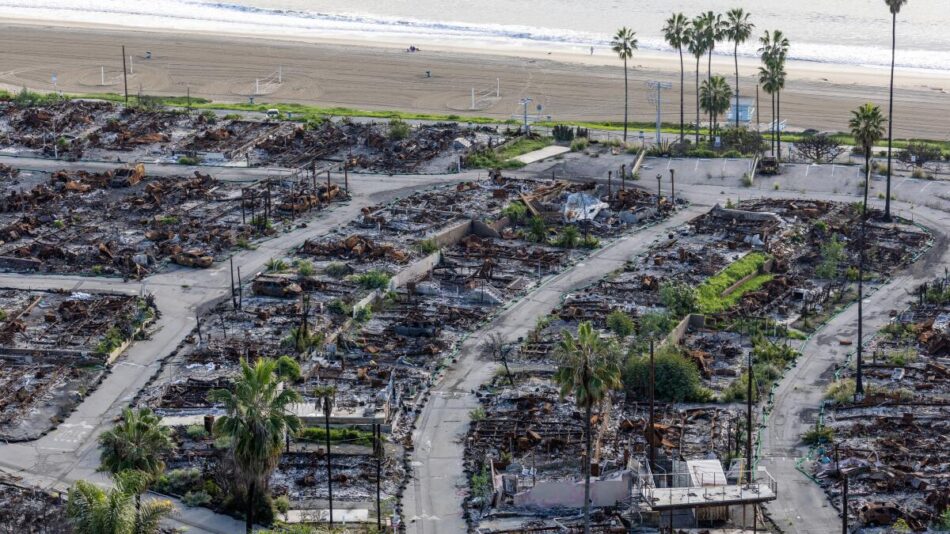
The Pacific Palisades Bowl Mobile Estates, once a thriving community, has become a focal point of controversy following its destruction in a devastating fire. The owners are now marketing the site as a prime opportunity for redevelopment, which has raised concerns among former residents who fear displacement.
This situation highlights the broader issues of housing affordability and community preservation in urban settings, particularly in areas where real estate values are on the rise. As the owners seek to capitalize on the tragedy, the displaced residents are left navigating a complex landscape of zoning laws and community advocacy.
Continue Reading
Background of the Pacific Palisades Bowl Mobile Estates
The Pacific Palisades Bowl Mobile Estates was home to approximately 170 families before the catastrophic fire. This rent-controlled mobile home park provided affordable housing in an otherwise high-cost area of Los Angeles. The community was not only a place to live but also a support network for many residents, some of whom had lived there for decades.
In January 2026, the fire devastated the park, leaving many residents homeless and uncertain about their future. The aftermath of the fire has seen the owners of the property, who have a history of neglecting the park, pivot towards a redevelopment strategy that could displace the remaining residents permanently.
Current Development Plans and Community Response
The owners are promoting the property as a “blank canvas” for potential residential or mixed-use development. However, the current zoning regulations and coastal laws pose significant barriers to such developments. The city has stated that only low-density single-family housing or the reconstruction of the mobile home park is permissible under existing laws.
Despite this, the owners have listed the property for sale, indicating a clear intention to seek a more lucrative development deal. This has sparked outrage among former residents and local advocates who argue that the owners are ignoring offers to rebuild the community.
Criticism of Property Owners
Residents have expressed frustration regarding the lack of communication from the owners. Lisa Ross, a long-time resident and Realtor, criticized the marketing materials as misleading and indicative of the owners’ disregard for the community’s needs. She emphasized the importance of rebuilding the park to restore the community.
Local advocates have also pointed out that the owners have consistently failed to maintain the park’s infrastructure, leading to its decline prior to the fire. This history raises concerns about the owners’ commitment to providing affordable housing in the future.
Government and Community Advocacy
Local government officials, including Los Angeles Mayor Karen Bass, have publicly supported the residents’ right to return to a rebuilt mobile home park. Mayor Bass’s office has reiterated that existing zoning laws do not support the proposed developments and that the focus should remain on restoring the community.
City Councilmember Traci Park has also voiced her commitment to ensuring that the mobile home park is rebuilt. She has stated that she will not entertain any proposals for rezoning that would displace residents in favor of more profitable developments.
Legal and Regulatory Framework
The Pacific Palisades Bowl is governed by state laws designed to protect affordable housing along the coast. Additionally, a city ordinance exists to safeguard mobile home residents against sudden displacement. These regulations are crucial in the ongoing discussions about the future of the site.
However, the owners have attempted to circumvent these protections by marketing the site for redevelopment, which has led to legal scrutiny and community pushback. The city’s stance is clear: any changes to the zoning laws would require a thorough review process, including city council votes and mayoral approval.
Challenges in Recovery Efforts
Despite the advocacy efforts from local leaders and community members, the recovery process has faced significant hurdles. The Federal Emergency Management Agency (FEMA) declined to include the mobile home park in its debris cleanup efforts, citing concerns over the owners’ intentions to rebuild as affordable housing.
This decision has left residents feeling abandoned and uncertain about their future. Many have expressed the need for federal support to ensure that the community can be rebuilt and that affordable housing remains a priority in the area.
Community Voices and Perspectives
Community members have been vocal about their desire to return to the Pacific Palisades Bowl. Spencer Pratt, a resident and advocate, criticized both the mayor and the property owners for their perceived lack of action in addressing the needs of displaced residents. He emphasized the importance of community solidarity in the face of potential displacement.
Residents have also organized to present a united front against the owners’ development plans. They have reached out to local media and advocacy groups to raise awareness about their plight and to garner support for their cause.
Future Prospects for the Site
The future of the Pacific Palisades Bowl Mobile Estates remains uncertain. While the owners are actively seeking a development deal, the existing legal framework and community advocacy efforts present significant obstacles to their plans. The city’s commitment to preserving affordable housing will play a crucial role in determining the outcome.
As discussions continue, it is essential for all stakeholders—residents, local government, and property owners—to engage in constructive dialogue aimed at finding a solution that respects the needs of the community while addressing the challenges of urban development.
Potential for Redevelopment
Should the owners choose to engage with the community and comply with existing regulations, there is potential for a redevelopment plan that includes affordable housing options. This could involve a mixed-use development that incorporates both residential units and community spaces, fostering a sense of belonging and support among residents.
However, this would require a shift in the owners’ approach, moving away from profit-driven motives towards a more community-oriented vision. The involvement of local government and advocacy groups will be critical in facilitating this process.
Conclusion
The situation at the Pacific Palisades Bowl Mobile Estates serves as a poignant reminder of the complexities surrounding urban development, housing affordability, and community preservation. As the owners pursue a development deal, the displaced residents continue to advocate for their right to return to a rebuilt mobile home park. The outcome of this situation will have lasting implications for housing policy and community dynamics in Los Angeles.
Frequently Asked Questions
The current zoning laws only permit low-density single-family housing or the reconstruction of the mobile home park, not the multifamily or mixed-use developments proposed by the owners.
Local officials, including Mayor Karen Bass and Councilmember Traci Park, are advocating for the reconstruction of the mobile home park and have stated they will not support any rezoning efforts that would displace residents.
Displaced residents can seek support from local advocacy groups, engage with city officials, and participate in community organizing efforts to push for their rights and the reconstruction of their homes.
Call To Action
Join the movement to support the residents of the Pacific Palisades Bowl Mobile Estates in their fight for affordable housing and community restoration. Your voice matters!
Note: Provide a strategic conclusion reinforcing long-term business impact and keyword relevance.