Fabrication of Clips Using AI: UAE Orders Action Against 19 Indians Over Misleading Posts Amid Iran War
- UAE authorities have arrested 35 individuals, including 19 Indians, for spreading misleading AI-generated video content amid rising regional conflict.
- The fabricated clips falsely depict missile strikes and explosions, causing public panic and threatening national security.
- Authorities identified three groups involved: those sharing real footage with misleading commentary, those fabricating AI-generated videos, and those glorifying hostile military actions.
- Legal action includes expedited trials and potential imprisonment with heavy fines to curb misinformation and maintain stability.
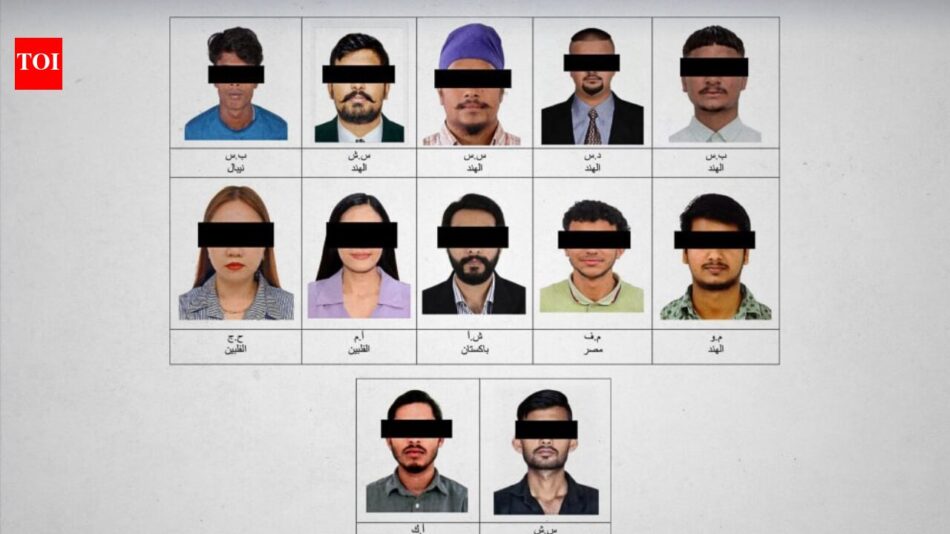
In the midst of escalating tensions due to the Israel-US-Iran conflict, the United Arab Emirates has taken decisive steps to combat the spread of misleading and fabricated content on social media. The UAE government has ordered the arrest of 35 individuals, including 19 Indian nationals, for disseminating video clips that were either manipulated or entirely fabricated using artificial intelligence. These clips falsely depict missile strikes, explosions, and other military actions, creating unnecessary panic and anxiety among the public.
This crackdown highlights the growing challenges governments face in managing the impact of AI-generated fake videos and misinformation during geopolitical crises. The UAE’s swift legal response aims to protect national security, maintain public order, and ensure that digital platforms do not become tools for destabilizing propaganda.
Continue Reading
What Led to the UAE’s Crackdown on Misleading AI-Generated Content?
The UAE’s decision to arrest 35 individuals, including 19 Indians, stems from extensive monitoring of digital platforms amid the ongoing Israel-US-Iran war. The authorities identified that these individuals were involved in publishing videos that either showed real missile and drone activity with misleading commentary or entirely fabricated clips generated using AI video synthesis techniques. These videos falsely suggested attacks and explosions within the UAE, thereby inciting public anxiety and undermining national stability.
The official statement from Attorney-General Hamad Saif Al Shamsi emphasized that the fabricated content was deliberately designed to mislead the public, spread panic, and potentially expose the country’s defensive capabilities. The clips often included added sound effects, national flags, and false timestamps to increase their credibility and impact.
How Were the Accused Individuals Categorized?
The investigation revealed the accused were divided into three distinct groups based on their activities:
- Group One: Ten individuals who published authentic footage of missile interceptions or gatherings reacting to these events but added misleading commentary and sound effects to exaggerate the threat. This group included five Indians, one Pakistani, one Nepali, two Filipinos, and one Egyptian.
- Group Two: Seven individuals who created or circulated entirely fabricated clips using AI or recycled footage from outside the UAE, falsely claiming these incidents occurred locally. This group included five Indians, one Nepali, and one Bangladeshi.
- Group Three: Six individuals who glorified a hostile state’s military actions and leadership, promoting propaganda that could harm the UAE’s national interests. Five were Indians and one Pakistani.
In addition, two other Indians faced charges for similar offenses related to spreading misleading AI-generated content.
What Are the Legal Implications and Penalties?
The UAE authorities have referred the accused for expedited trials. According to Attorney-General Shamsi, the offenses carry a minimum imprisonment of one year and fines starting from AED 100,000. The charges focus on the deliberate dissemination of misinformation intended to destabilize public order and national security.
The prosecution highlighted that some videos exploited children’s emotions and falsely depicted security threats, including fabricated explosions and fires at key landmarks. Such content not only misleads the public but also risks providing hostile entities with sensitive information about the country’s defensive responses.
Why Is AI-Generated Content a Growing Concern in Conflict Zones?
The use of AI in video fabrication has made it easier to create highly realistic but false visual content. In conflict zones like the Middle East, such misinformation can escalate tensions, provoke panic, and influence public opinion or international perceptions.
AI-generated clips can simulate missile strikes, explosions, or military actions that never occurred, making it challenging for authorities and the public to discern truth from fiction. This phenomenon complicates crisis management and requires advanced monitoring and legal frameworks to mitigate risks.
How Is the UAE Addressing the Spread of Misinformation?
The UAE has intensified electronic surveillance and digital platform monitoring to detect and act against misleading content swiftly. The government collaborates with social media platforms to identify and remove false posts and has implemented strict laws to deter the creation and dissemination of fabricated media.
By prosecuting offenders and publicizing these actions, the UAE aims to send a clear message that misinformation during wartime will not be tolerated. This approach seeks to protect the public’s mental well-being, national security, and the country’s international reputation.
What Does This Mean for Social Media Users and Content Creators?
Social media users must exercise caution and verify the authenticity of content before sharing, especially in sensitive geopolitical contexts. Content creators and influencers should avoid sensationalizing real events or fabricating information, as legal consequences can be severe.
Platforms are also under pressure to enhance their fake news detection and content moderation capabilities, incorporating AI tools to identify manipulated media and prevent its viral spread.
Implications for International Relations and Regional Stability
The UAE’s crackdown reflects broader concerns about how digital misinformation can exacerbate regional conflicts. False narratives can inflame public sentiment, disrupt diplomatic efforts, and destabilize fragile peace processes.
By addressing the misuse of AI technology in propaganda, the UAE is positioning itself as a responsible actor committed to maintaining order and security amid complex geopolitical challenges.
Summary of Key Points
- The UAE arrested 35 individuals, including 19 Indians, for spreading misleading AI-generated videos amid the Iran-Israel-US conflict.
- The fabricated clips falsely depicted missile strikes and explosions, causing public panic and threatening national security.
- The accused were categorized into groups based on their involvement with authentic footage, AI-fabricated content, or propaganda glorifying hostile states.
- Legal actions include expedited trials with penalties of imprisonment and heavy fines to deter misinformation.
- The UAE is actively monitoring digital platforms and cooperating with social media companies to curb the spread of fake news.
Frequently Asked Questions
Call To Action
Protect your organization and community by adopting advanced AI-driven content verification tools to detect and prevent the spread of misleading videos and misinformation in real time.
Note: Provide a strategic conclusion reinforcing long-term business impact and keyword relevance.