Creator of Windows Task Manager Showcases Retro-Futuristic Dashboard: Tempest AI’s Vision
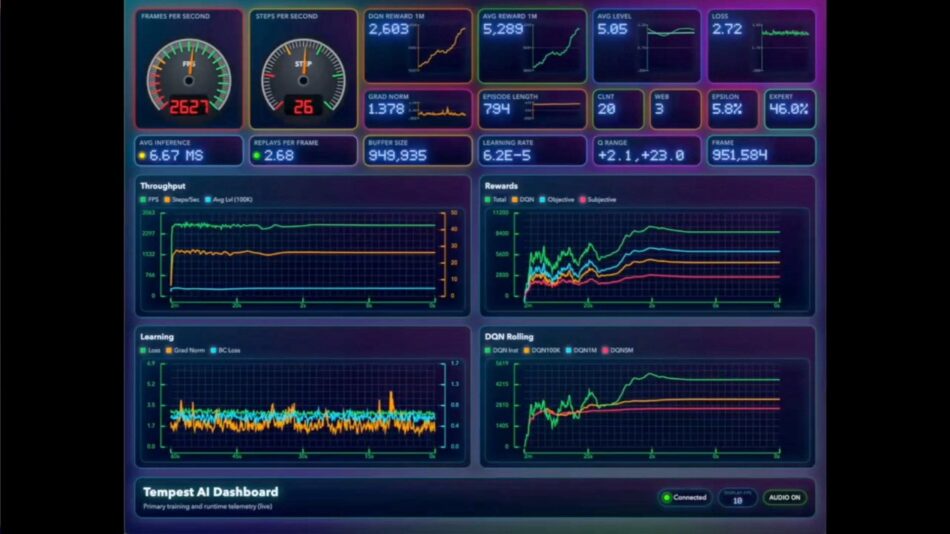
In a fascinating blend of nostalgia and innovation, Dave Plummer, the original creator of Windows Task Manager, has unveiled a retro-futuristic dashboard for his AI project, Tempest AI. This new design not only pays homage to the classic computing era but also reimagines what modern task management could look like.
Plummer’s creative endeavor has sparked interest in both the tech community and among casual users, showcasing how the principles of design and functionality can evolve. The dashboard is available on GitHub, allowing developers and enthusiasts to explore the code and experience the interface firsthand.
Continue Reading
Understanding the Vision Behind Tempest AI
Dave Plummer, known for his significant contributions to Windows operating systems, has taken a step back into the realm of retro gaming with Tempest AI. The project is inspired by the classic Atari game, Tempest, and aims to create an engaging user interface that reflects both nostalgia and modern design principles.
The dashboard serves as a personal project for Plummer, who expressed that this design is “probably what Task Manager would look like if I were still around.” This statement not only highlights his playful approach to design but also indicates a deep understanding of user experience and interface aesthetics.
The Features of the Tempest AI Dashboard
The Tempest AI dashboard incorporates several innovative features that set it apart from traditional task managers:
- Visual Aesthetics: The dashboard employs a retro-futuristic design that combines vibrant colors and geometric shapes reminiscent of early computer graphics.
- Dynamic Interactivity: Users can interact with the dashboard in real-time, allowing for a more engaging experience while managing applications and processes.
- Sound Integration: Plummer has hinted at audio elements that enhance the user experience, making the task management process more enjoyable.
- Open Source Accessibility: By sharing the code on GitHub, Plummer encourages collaboration and innovation within the developer community.
Technical Insights and Development Process
Developing the Tempest AI dashboard involved a series of technical considerations:
- Framework Selection: Plummer chose a suitable framework that allows for rapid development and easy integration of visual elements.
- Code Optimization: Ensuring that the code is efficient and performs well across various devices was a priority, especially given the visual complexity of the dashboard.
- User Feedback: Incorporating feedback from early testers helped refine the interface and functionality, ensuring it meets user expectations.
The Impact of Nostalgia in Modern Software Design
Nostalgia plays a significant role in software design, particularly in user interfaces. By tapping into familiar aesthetics, designers can create a sense of comfort and familiarity for users. The Tempest AI dashboard exemplifies this concept by:
- Evoking Memories: The design elements remind users of the early days of computing, creating a connection between past and present.
- Encouraging Exploration: The playful design invites users to explore the dashboard, making task management feel less like a chore.
- Fostering Community Engagement: By sharing the project openly, Plummer encourages collaboration and discussion among developers and users alike.
Community Reactions and Engagement
The release of the Tempest AI dashboard has generated significant buzz within the tech community. Reactions have varied from excitement about the innovative design to discussions about the potential applications of such a dashboard in modern computing environments.
Many developers have expressed interest in contributing to the project, eager to enhance its features and functionality. This collaborative spirit is indicative of a broader trend in software development where open-source projects thrive on community input.
Future Directions for Tempest AI
Looking ahead, Plummer has hinted at several potential developments for Tempest AI:
- Feature Expansion: Future iterations may include additional functionalities such as advanced analytics and performance monitoring tools.
- Integration with Other Platforms: There are plans to explore compatibility with various operating systems, expanding the user base.
- Enhanced Customization: Users may soon have the ability to customize the dashboard further, tailoring it to their specific needs and preferences.
Frequently Asked Questions
Tempest AI is a personal AI project created by Dave Plummer, featuring a retro-futuristic dashboard inspired by the classic Atari game, Tempest.
The code for Tempest AI is available on GitHub, allowing developers to explore and contribute to the project.
The dashboard features a retro-futuristic design, dynamic interactivity, sound integration, and is open-source for community collaboration.
Call To Action
Explore the innovative Tempest AI dashboard today and see how retro design can enhance modern task management. Join the community on GitHub and contribute to the evolution of this exciting project.
Note: The Tempest AI dashboard represents a unique intersection of nostalgia and modern technology, showcasing how past influences can shape future innovations in software design.