Claude Takes On Monet
- Anthropic leverages AI to create interactive museum experiences blending technology and art.
- Claude AI’s role in the “Monet and Venice” exhibition highlights challenges in AI’s cultural engagement.
- Art sponsorships by AI firms reflect efforts to soften public perception of generative AI.
- The intersection of AI, impressionist art, and visitor interaction raises questions about authenticity and value.
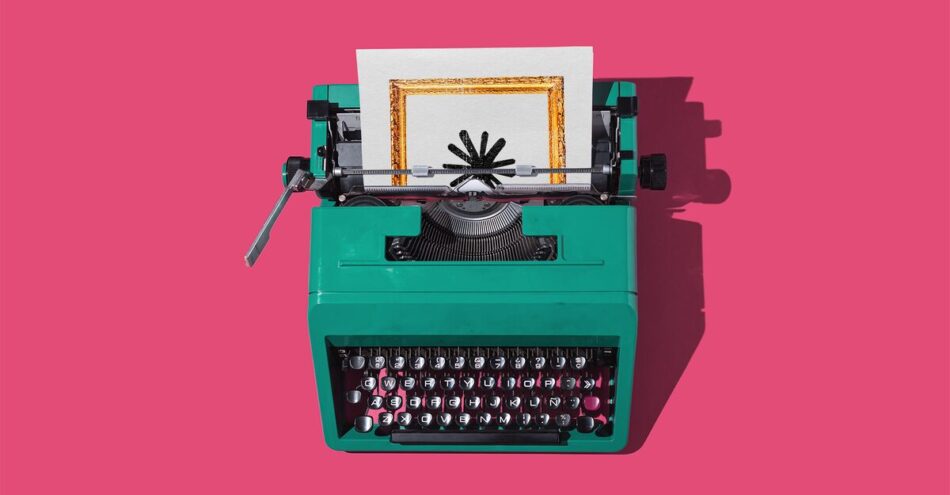
The recent collaboration between Anthropic and the de Young Museum’s “Monet and Venice” exhibition offers a unique glimpse into how artificial intelligence is being integrated into cultural settings. By transforming typewriters into interfaces for the Claude AI chatbot, visitors were invited to engage with Claude Monet’s masterpieces through a novel, if somewhat limited, interactive experience. This initiative underscores a growing trend where AI technology companies seek to align themselves with fine art and cultural institutions to enhance brand identity and public acceptance.
However, the experiment also reveals the complexities of using generative AI in contexts that demand depth, nuance, and emotional resonance. While Claude AI can reproduce factual information about Monet’s work, it struggles to provide the interpretive richness that human visitors expect from an art experience. This juxtaposition highlights the current limitations and potential of AI-powered interactive exhibits in museums and galleries worldwide.
Continue Reading
What Is the Claude AI Experience at the Monet and Venice Exhibition?
The Claude AI installation at the de Young Museum was designed as an interactive experience to complement the “Monet and Venice” exhibition. Visitors could type brief queries on vintage typewriters, which then printed responses generated by Claude AI based on curated information about Monet’s paintings. The goal was to deepen visitors’ understanding of Monet’s techniques and themes by offering AI-generated insights.
Despite the innovative concept, the interaction was constrained by the requirement to keep prompts under ten words and the limited ability to engage in follow-up questions. Claude’s responses often echoed the exhibition’s wall texts, providing factual but not deeply interpretive commentary. This setup highlighted both the promise and the current limitations of AI in museums as a tool for enhancing visitor engagement.
Why Are AI Companies Sponsoring Art Exhibitions?
AI firms like Anthropic and OpenAI are increasingly sponsoring cultural events and exhibitions to cultivate a positive public image and associate their brands with creativity and sophistication. By partnering with prestigious institutions and leveraging iconic artists like Monet, these companies aim to soften the perception of generative AI as purely technical or disruptive.
This strategy also serves to humanize AI products by embedding them in cultural narratives that emphasize intentionality, beauty, and craftsmanship—qualities often seen as antithetical to the rapid, automated nature of AI. However, critics argue that such sponsorships can feel superficial or gimmicky, especially when the AI’s contributions to the art experience are limited or derivative.
How Does Claude AI’s Interaction Reflect on AI’s Role in Art Interpretation?
Claude AI’s responses at the exhibition were largely factual, reiterating information from exhibit labels rather than offering original interpretation or emotional insight. This reflects a broader challenge for AI in the arts: while AI can process vast amounts of data and generate coherent text, it currently lacks the human capacity for subjective interpretation and emotional connection.
This gap raises important questions about the role of AI in art curation and education. Can AI truly enhance the appreciation of art, or is it limited to serving as an informational tool? The Claude-Monet interaction suggests that while AI can augment knowledge dissemination, it cannot yet replicate the depth of human engagement with art.
What Are the Ethical and Cultural Implications of AI Using Artistic Works?
The use of Monet’s artworks and related cultural assets to promote AI companies also brings ethical considerations to the forefront. Anthropic’s training of Claude AI involved scanning millions of book pages, raising questions about intellectual property and the commercialization of cultural heritage. Sponsorships of exhibitions by AI firms, while common in corporate philanthropy, become more complex when the company’s product disrupts traditional creative industries.
Moreover, the juxtaposition of AI-generated responses with Monet’s hand-painted canvases highlights tensions between machine-generated content and human artistic expression. This dynamic invites ongoing dialogue about the value of authenticity, creativity, and the evolving relationship between technology and culture.
How Does the Claude AI Exhibit Compare to Other AI Art Initiatives?
Anthropic’s Claude typewriter installation is part of a broader movement where AI intersects with the arts. For example, OpenAI’s collaboration with the Palace of Versailles to create an app allowing visitors to “converse” with garden statues demonstrates another approach to blending AI with cultural heritage. Similarly, AI-animated films sponsored by tech companies aim to showcase AI’s creative potential in storytelling and visual arts.
However, many such initiatives face criticism for relying on superficial engagement or producing content that feels generic or clichéd. The Claude AI exhibit’s reliance on reprinted information rather than dynamic dialogue exemplifies these challenges. Successful AI-art collaborations require balancing technological innovation with meaningful, context-rich experiences that resonate with audiences.
What Are the Practical Considerations for Museums Integrating AI?
Museums considering AI integrations must evaluate factors such as cost, scalability, visitor interaction quality, and the preservation of artistic integrity. AI installations like Claude’s typewriter interface involve logistical challenges, including hardware setup, content curation, and user guidance. Furthermore, museums must consider how AI affects visitor flow and engagement, ensuring that technology enhances rather than distracts from the art.
From a strategic perspective, AI can offer scalable educational tools and personalized experiences, but only if the AI systems are designed with sensitivity to artistic context and audience expectations. Partnerships between museums and AI firms should prioritize transparency about AI capabilities and limitations to manage visitor expectations effectively.
What Does the Future Hold for AI and Fine Art Collaboration?
The intersection of AI innovation and fine arts is poised to grow, with potential for AI to assist in art restoration, curation, and interactive education. As AI models become more sophisticated, they may better interpret artistic styles, historical contexts, and emotional nuances, enriching visitor experiences.
However, the future will also require careful navigation of ethical, cultural, and commercial concerns. The Claude and Monet collaboration serves as a case study in both the opportunities and pitfalls of integrating AI into the art world. Successful future projects will likely blend human creativity with AI’s analytical power to create authentic, meaningful cultural experiences.
Frequently Asked Questions
Call To Action
Explore how integrating AI-powered interactive experiences can elevate your cultural or business projects by engaging audiences in innovative, meaningful ways. Partner with experts to design AI solutions that respect artistic integrity while driving growth.
Note: Provide a strategic conclusion reinforcing long-term business impact and keyword relevance.