
Big Tech purchases of carbon credits explode amid AI race, with Microsoft leading the way
- Big Tech companies are significantly increasing their carbon credit purchases to offset emissions from expanding AI infrastructure.
- Microsoft leads the surge, reflecting its commitment to carbon negativity by 2030 and strategic investment in carbon removal technologies.
- The AI-driven energy demand challenges net-zero goals, making carbon credits vital for balancing emissions linked to data centers.
- Permanent and time-limited carbon removals are key tools for Big Tech to address residual emissions amid rapid AI growth.
The rapid expansion of artificial intelligence (AI) capabilities by major technology companies has triggered an unprecedented increase in energy consumption, prompting a surge in the purchase of carbon credits by industry leaders. As Amazon, Google, Meta, and Microsoft race to build massive AI data centers, their carbon footprint grows, challenging their ambitious net-zero emissions commitments. To mitigate this environmental impact, these companies are turning to carbon credits, which represent verified reductions or removals of carbon dioxide from the atmosphere.
Among these giants, Microsoft stands out as the frontrunner in acquiring carbon credits, reflecting its broader climate strategy and significant investments in sustainable technologies. This article explores the dynamics behind the surge in carbon credit purchases amid the AI boom, the types of carbon removal solutions employed, and the implications for sustainable technology growth in the Big Tech sector.
Continue Reading
Why Are Big Tech Companies Increasing Carbon Credit Purchases?
Big Tech companies are increasing their carbon credit purchases primarily to offset the growing emissions from their expanding AI infrastructure. The surge in AI applications, driven by breakthroughs like ChatGPT, has led to a substantial rise in energy consumption, especially from data centers that require enormous power and cooling resources. These emissions pose a challenge to the companies’ publicly stated goals of achieving net-zero emissions in the near future.
Carbon credits allow these companies to compensate for emissions they cannot immediately eliminate by funding projects that reduce or remove greenhouse gases elsewhere. This approach is critical because the current supply of clean and renewable energy is insufficient to meet the soaring demand from AI operations without increasing carbon footprints.
How Much Have Carbon Credit Purchases Grown?
Data from carbon credit management platform Ceezer reveals a dramatic increase in purchases by Amazon, Google, Meta, and Microsoft. In 2022, these companies collectively acquired approximately 14,200 permanent carbon removal credits. This number skyrocketed to nearly 12 million in 2023, surged by 104% to 24.4 million in 2024, and is projected to reach 68.4 million in 2025. Microsoft accounts for a significant portion of this growth, with its purchases rising by over 200% year-on-year in recent fiscal years.
This rapid expansion reflects a structural shift in corporate climate strategies, moving from small-scale, experimental purchases to large, multi-year agreements designed to secure future carbon removal capacity and send strong market signals.
What Types of Carbon Credits Are Being Purchased?
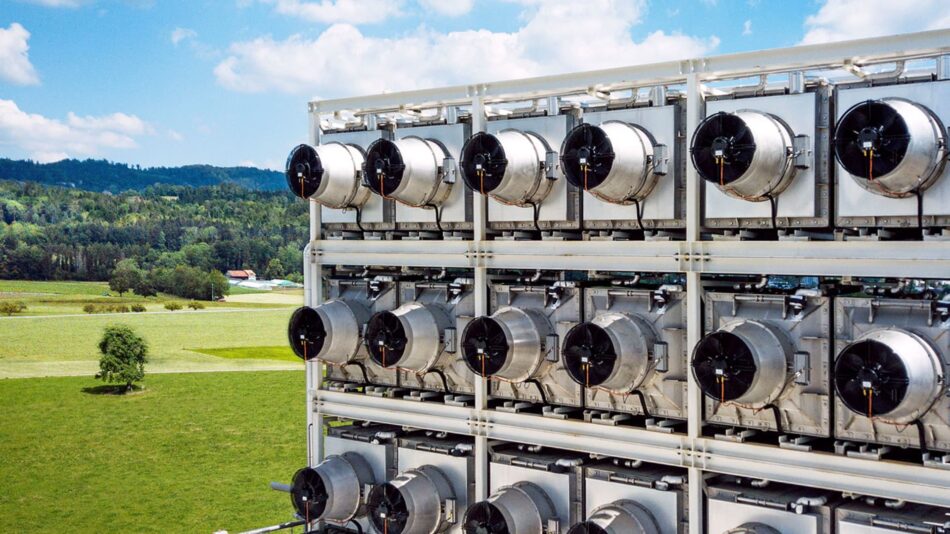
Carbon credits vary in terms of permanence and methodology. Ceezer’s data emphasizes permanent carbon removals, which involve techniques that sequester carbon dioxide for long durations, often exceeding 100 years. These include advanced technological methods such as direct air capture, where machines extract CO2 directly from the atmosphere, and enhanced natural processes that lock carbon in soils or forests.
Microsoft’s portfolio also includes time-limited carbon removals with varying durability levels. These can involve forestry projects or soil carbon sequestration, which store carbon for shorter periods but still contribute to offsetting emissions. This diversified approach helps balance immediate needs with long-term sustainability goals.
How Does Microsoft Lead the Carbon Credit Market?
Microsoft is widely regarded as a climate leader among Big Tech. Its aggressive carbon credit purchasing strategy aligns with its goal to become carbon negative by 2030. The company’s investments extend beyond buying credits to supporting startups and technologies that develop low-carbon materials and sustainable infrastructure, such as Sublime Systems and Stegra.
Microsoft’s chief sustainability officer, Melanie Nakagawa, emphasizes that the company’s role as an early mover in the carbon removal market helps stimulate supply growth and innovation. This leadership not only offsets Microsoft’s emissions but also drives broader industry progress toward scalable and effective carbon removal solutions.
What Role Does Renewable Energy Play in AI Sustainability?
While carbon credits are essential, Big Tech companies are also investing heavily in renewable energy to power their AI data centers. According to Ceezer’s analysis, the overall emissions from hyperscalers like Microsoft and Google have not increased dramatically despite AI growth, indicating a shift toward cleaner energy sources. Renewable energy adoption helps reduce the carbon intensity of AI operations, complementing carbon credit strategies.
However, the current supply of renewable energy is still constrained, making carbon removal indispensable for achieving true sustainability in AI development. This dual approach ensures companies can scale their AI ambitions while managing environmental impacts responsibly.
What Are the Risks and Challenges of Relying on Carbon Credits?
Carbon credits have faced criticism in the past for issues related to verification, permanence, and additionality — the assurance that the credited projects genuinely reduce emissions beyond what would have occurred otherwise. Early carbon credit markets were sometimes plagued by projects that did not deliver measurable benefits, leading to reputational risks for buyers.
Big Tech’s current focus on permanent and technologically advanced carbon removal methods aims to address these concerns. Nonetheless, reliance on carbon credits is not a substitute for direct emissions reductions. Companies must balance credit purchases with investments in energy efficiency, renewable energy, and sustainable infrastructure to ensure long-term climate goals are met.
How Does This Trend Impact the Future of AI and Climate Strategy?
The surge in carbon credit purchases among Big Tech signals a broader recognition that AI’s environmental footprint must be managed proactively. As AI capabilities expand, so too will the energy demands and associated emissions. The integration of carbon removal strategies into AI growth plans reflects a maturing approach to corporate sustainability.
This trend also encourages innovation in the carbon removal sector, creating market incentives for new technologies and projects that can scale effectively. By securing multi-year offtake agreements, Big Tech companies provide financial stability to carbon removal developers, accelerating the development of solutions necessary to meet global climate targets.
What Are the Financial Implications for Big Tech?
Fueling AI ambitions is a costly endeavor, with Amazon, Google, Meta, and Microsoft expected to spend nearly $700 billion combined in 2026. A significant portion of this budget is allocated to data center construction and operation, which drives emissions. The rising cost of carbon credits adds to operational expenses but is increasingly viewed as a necessary investment to maintain corporate responsibility and stakeholder trust.
Strategically, investing in carbon credits and sustainable technologies can enhance brand reputation, reduce regulatory risks, and position companies as leaders in environmental stewardship, potentially yielding long-term financial benefits.
How Can Other Companies Learn from Big Tech’s Approach?
Big Tech’s carbon credit purchasing strategies offer valuable lessons for other industries facing similar sustainability challenges. Key takeaways include:
- Integrating carbon removal as a core component of climate strategy rather than a peripheral activity.
- Securing multi-year agreements to ensure stable supply and market confidence.
- Investing in a mix of permanent and time-limited carbon removal solutions to balance cost, scalability, and impact.
- Complementing carbon credits with aggressive renewable energy adoption and emissions reduction efforts.
- Supporting innovation in sustainable materials and infrastructure to reduce future carbon footprints.
What Does the Future Hold for AI and Carbon Management?
The intersection of AI development and climate responsibility will continue to evolve. As AI technologies become more pervasive, the pressure to innovate in energy efficiency and carbon removal will intensify. Companies leading in this space, like Microsoft, are setting benchmarks for integrating environmental considerations into their growth strategies.
Policymakers and market regulators may also increase scrutiny of carbon credit markets to ensure transparency and effectiveness, further shaping corporate behavior. Ultimately, sustainable AI growth will depend on a holistic approach combining technology, finance, and environmental science.
Summary
The explosive growth in AI capabilities among Big Tech has driven a parallel surge in carbon credit purchases, with Microsoft leading the charge. These purchases are critical to offsetting emissions from energy-intensive data centers and supporting ambitious climate goals. By combining carbon removal with renewable energy investments and innovation in sustainable infrastructure, Big Tech is charting a path toward responsible AI expansion that balances technological progress with environmental stewardship.
Frequently Asked Questions
Call To Action
Partner with sustainability experts to integrate carbon credit strategies into your AI development roadmap and ensure your technology growth aligns with global climate goals.
Note: Provide a strategic conclusion reinforcing long-term business impact and keyword relevance.