Artificial Intelligence helps unlock geothermal potential
- AI-driven mapping technology accelerates geothermal site discovery beyond traditional methods.
- Advanced AI models reduce drilling risks and operational costs by accurately targeting geothermal hotspots.
- Regulatory streamlining combined with AI innovation fosters faster geothermal project approvals.
- Geothermal energy, enhanced by AI, presents a scalable, clean energy solution for the U.S. power grid.
Geothermal energy, a powerful and sustainable resource generated by the Earth’s natural heat, has long been recognized for its potential but difficult to harness efficiently. Recent breakthroughs in artificial intelligence have revolutionized the way geothermal sites are identified and developed, enabling companies to discover more viable locations in a fraction of the time previously required. This surge in AI-powered exploration is unlocking vast untapped reserves, especially across the western United States, and is poised to play a critical role in the nation’s clean energy transition.
By leveraging sophisticated AI models that analyze geological data and simulate subsurface conditions, companies are overcoming traditional challenges such as unpredictable drilling outcomes and environmental risks. These advances not only improve the economic feasibility of geothermal projects but also accelerate permitting processes through smarter regulatory collaboration. As a result, geothermal energy is emerging as a reliable and scalable contributor to America’s renewable energy portfolio, empowered by the precision and efficiency of machine learning algorithms and data-driven insights.
Continue Reading
How Does Artificial Intelligence Enhance Geothermal Exploration?
The core advantage of artificial intelligence in geothermal energy development lies in its ability to process and interpret vast amounts of geological, geophysical, and geochemical data. AI algorithms can detect subtle patterns and anomalies that indicate the presence of geothermal reservoirs, which traditional exploration methods might miss. According to Joel Edwards, co-founder of Zanskar, an AI-focused geothermal company, their models have identified more geothermal sites in three years than the entire industry managed in the past three decades.
These AI models simulate various geological formations and orientations of geothermal systems, allowing for more precise targeting of drilling locations. This reduces the risk of drilling unproductive or marginal wells, which historically has been a major cost driver and operational challenge in geothermal projects. By improving the accuracy of site selection, AI not only increases the likelihood of successful energy extraction but also minimizes environmental impact by avoiding unnecessary drilling.
What Are the Economic and Environmental Benefits of AI-Driven Geothermal Development?
Utilizing machine learning and predictive analytics, geothermal companies can optimize drilling strategies and resource management, which significantly lowers project costs and enhances return on investment (ROI). The reduction in failed wells and improved operational efficiency translates directly into more competitive energy pricing and faster project payback periods.
Environmentally, geothermal energy is a low-emission, renewable resource that provides stable baseload power unlike intermittent sources such as solar or wind. AI helps ensure that geothermal development is conducted responsibly by identifying sites with minimal ecological disruption and by monitoring environmental parameters during drilling and production. This proactive approach addresses concerns about air and water pollution, common in earlier geothermal operations, and supports sustainable energy production.
Where Are the Most Promising Geothermal Resources in the U.S.?
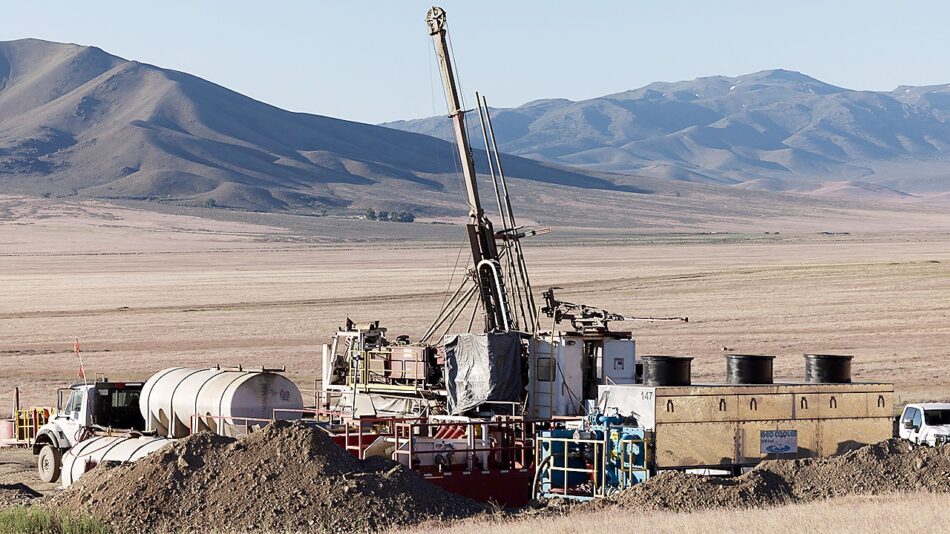
The western United States holds the richest geothermal potential, largely due to its unique geological features such as volcanic activity and tectonic plate boundaries. States like California, Nevada, and Oregon have historically been geothermal hotspots, but AI technology is expanding the search to less explored regions, including federal lands that were previously overlooked.
Federal agencies like the Department of the Interior have recognized the strategic importance of geothermal energy and have introduced emergency permitting procedures to expedite project approvals. This regulatory support, combined with AI’s ability to streamline exploration and development, is catalyzing growth in the geothermal sector and helping the U.S. reduce dependence on fossil fuels.
What Challenges Does AI Address in Geothermal Energy Production?
Geothermal energy projects face several challenges, including high upfront costs, long development timelines, and technical uncertainties related to subsurface conditions. AI mitigates these issues by providing more reliable site assessments and drilling forecasts, which reduce financial risks and improve investor confidence.
Moreover, AI can assist in navigating complex regulatory environments by predicting potential permitting hurdles and suggesting optimal compliance strategies. This proactive risk management accelerates project timelines and enhances scalability, making geothermal a more attractive option for large-scale energy infrastructure development.
How Is AI Shaping the Future of Clean Energy?
Beyond geothermal, AI is transforming the entire clean energy landscape by optimizing grid management, forecasting energy demand, and integrating diverse renewable sources. In geothermal specifically, AI-driven innovations are turning a traditionally niche energy source into a mainstream contributor to the U.S. energy mix.
Companies like Zanskar exemplify how combining deep learning techniques with geological expertise can unlock hidden energy reserves and pave the way for a sustainable energy future. As AI continues to evolve, its role in enhancing energy efficiency, reducing carbon footprints, and supporting climate goals will only grow stronger.
Practical Steps for Businesses to Leverage AI in Geothermal Projects
- Data integration: Collect and consolidate diverse geological and environmental datasets to feed AI models.
- Collaborative partnerships: Work with AI specialists and regulatory bodies to ensure compliance and innovation alignment.
- Risk management: Use AI predictions to anticipate drilling outcomes and environmental impacts, minimizing financial exposure.
- Scalable deployment: Develop modular geothermal systems guided by AI insights to expand capacity efficiently.
Frequently Asked Questions
Call To Action
Unlock the full potential of geothermal energy by integrating advanced AI technologies into your exploration and development strategies—partner with experts to accelerate your clean energy projects today.
Note: Provide a strategic conclusion reinforcing long-term business impact and keyword relevance.