AMC Theatres Won’t Screen AI Short Film ‘Thanksgiving Day’ That Sparked Online Outrage: We Will ‘Not Participate’
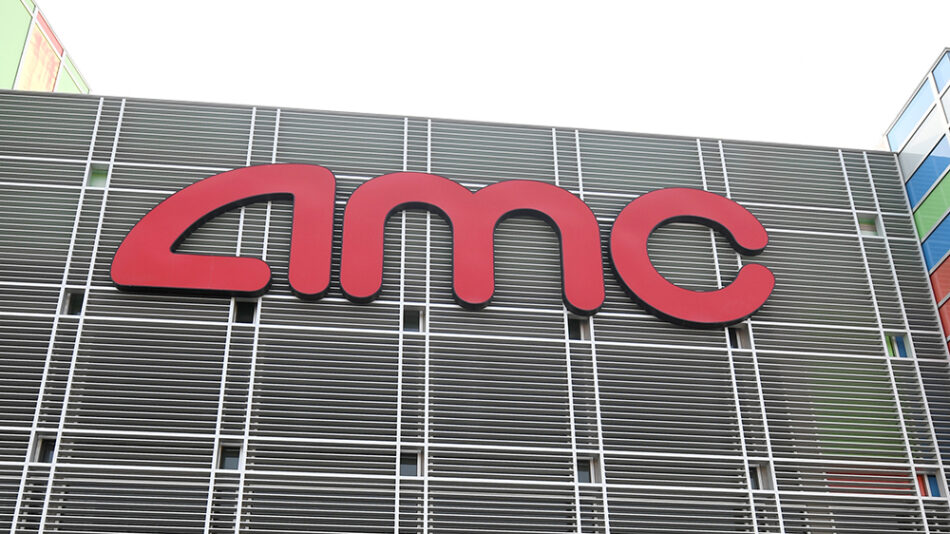
AMC Theatres has recently made headlines for its decision not to screen the AI-generated short film “Thanksgiving Day.” This decision follows a wave of online outrage surrounding the film, which won a contest at the inaugural Frame Forward AI Animated Film Festival. The festival’s distribution partner, Screenvision Media, had intended to showcase the winning project in cinemas across the United States, but AMC’s refusal to participate raises significant questions about the role of artificial intelligence in filmmaking and the broader implications for the industry.
The Controversy Surrounding ‘Thanksgiving Day’
“Thanksgiving Day,” created by Igor Alferov, is a short film that utilizes advanced AI software, including Gemini 3.1 and Nano Banana Pro, to tell an intergalactic story about a bear and his platypus assistant. As they journey through the galaxy, they encounter a variety of characters, showcasing the potential of AI in storytelling.
Despite its innovative approach, the film has sparked considerable backlash. Critics argue that the use of AI in creative processes undermines the artistry of filmmaking and poses ethical concerns regarding originality and authorship. This sentiment was echoed by AMC Theatres, which stated, “AMC was not involved in the creation of the content or the initiative and has informed Screenvision that AMC locations will not participate.”
AMC’s Position on AI Content
AMC Theatres’ decision to opt out of screening “Thanksgiving Day” reflects a broader hesitation within the film industry regarding AI-generated content. The spokesperson for AMC clarified that the film was part of an initiative by Screenvision Media, which manages pre-show advertising for several movie theatre chains in the United States. However, it operates in fewer than 30 percent of AMC’s locations, suggesting that the decision was not made lightly and was likely influenced by both public sentiment and the company’s strategic interests.
As the film industry grapples with the implications of AI technology, AMC’s stance highlights the complexities of integrating AI into traditional filmmaking processes. The controversy surrounding “Thanksgiving Day” raises important questions about the future of storytelling and the potential risks associated with AI in creative domains.
Industry Reactions
The reaction to AMC’s decision has been mixed, with some applauding the theatre chain for taking a stand against AI-generated content, while others criticize the move as a rejection of innovation. Modern Uprising Studios, which organized the Frame Forward event, defended the use of AI in film, arguing that it enhances production workflows and supports the theatrical experience by creating immersive storytelling opportunities.
Sverre Norfliet, senior VP of production and strategy at Modern Uprising Studios, stated, “There is a natural alignment between innovative storytelling, including GenAI-augmented productions, and the scale at which stories must operate to draw audiences together in the real world.” This perspective emphasizes the potential of AI to enrich the cinematic experience rather than detract from it.
However, the concerns raised by critics cannot be ignored. Prominent figures in Hollywood have voiced their apprehensions about the rapid rise of AI in filmmaking. In a recent town hall conversation, actors Matthew McConaughey and Timothée Chalamet discussed the need for the entertainment industry to adapt to the changing landscape while protecting the rights and livelihoods of artists.
The Future of AI in Filmmaking
The debate surrounding AI in filmmaking is far from settled. As technology continues to evolve, filmmakers and industry stakeholders must navigate the challenges and opportunities presented by AI. The potential for AI to streamline production processes and create innovative storytelling experiences is significant, but it also raises ethical questions about the role of human creativity in the arts.
As AMC Theatres and other exhibitors consider their positions on AI-generated content, the industry may see a shift in how films are produced, marketed, and consumed. The integration of AI tools could lead to new forms of storytelling that engage audiences in ways previously thought impossible. However, it is essential to strike a balance between embracing innovation and preserving the integrity of artistic expression.
Conclusion
AMC Theatres’ decision not to screen “Thanksgiving Day” underscores the ongoing tension between traditional filmmaking practices and the rise of AI technology. As the industry grapples with these changes, it is crucial for stakeholders to engage in meaningful discussions about the implications of AI on creativity, authorship, and the future of storytelling.
Note: The conversation surrounding AI in filmmaking is complex and multifaceted. As technology continues to advance, it is imperative for industry professionals to remain vigilant and proactive in addressing the challenges and opportunities that arise.
Frequently Asked Questions
AMC Theatres opted out of screening the AI-generated short film ‘Thanksgiving Day’ due to concerns over the use of AI in filmmaking and the backlash from audiences regarding the film’s originality and artistic integrity.
The Frame Forward AI Animated Film Festival is significant as it represents an initiative to explore the potential of AI in storytelling. The festival aims to showcase innovative projects that utilize AI technology, although it has faced criticism for its approach to creativity.
Industry leaders are responding to the rise of AI in filmmaking with a mix of caution and optimism. While some express concerns about the impact of AI on creativity and jobs, others see it as an opportunity to enhance storytelling and engage audiences in new ways.
Call To Action
As the film industry continues to evolve, it is essential for stakeholders to stay informed about the implications of AI technology. Join the conversation and explore how your business can adapt to these changes while preserving the integrity of storytelling.