Anthropic Races to Contain Leak of Code Behind Claude AI Agent
- Immediate response strategies are critical to mitigate risks from leaked AI source code.
- Intellectual property protection is vital for AI startups competing in the large language model market.
- Leaked code can lead to unauthorized replication, impacting innovation and competitive advantage.
- Robust cybersecurity and legal frameworks are essential to safeguard AI development assets.
Anthropic, a leading artificial intelligence company known for its Claude AI agent, is urgently addressing a recent leak of its proprietary source code. This incident underscores the growing challenges AI firms face in protecting their valuable intellectual property amid heightened competition in the large language model space.
The leak raises significant concerns about the potential for unauthorized use and replication of advanced AI technology. As AI innovations accelerate, companies like Anthropic must implement comprehensive strategies combining cybersecurity, legal action, and operational vigilance to contain such breaches and maintain their market edge.
Continue Reading
What Happened in the Anthropic Code Leak Incident?
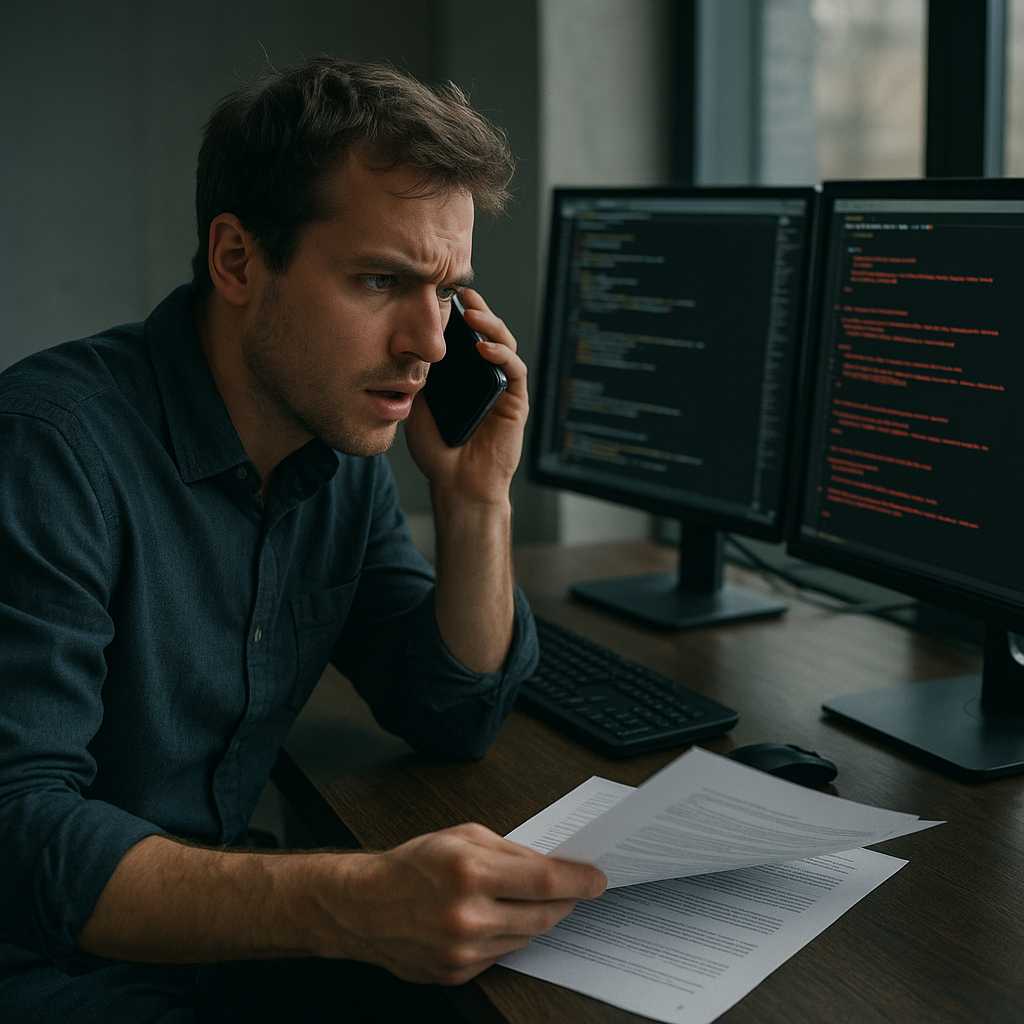
Anthropic discovered that portions of the source code behind its Claude AI agent had been leaked online. The company responded swiftly to assess the scope of the breach, identify the leak’s origin, and initiate containment measures. While the full extent of the leak remains under investigation, the incident highlights the vulnerabilities even well-funded AI startups face in securing their AI software assets.
Why Is Protecting AI Source Code So Critical?
AI source code, especially for advanced models like Claude, represents years of research, development, and significant financial investment. Unauthorized access to this code can enable competitors or malicious actors to replicate or modify the technology without incurring similar costs, undermining the original developer’s competitive advantage. Additionally, leaked code can expose security flaws or biases, potentially damaging the company’s reputation and user trust.
Impact on Innovation and Market Position
-
Intellectual property protection ensures continued innovation by safeguarding proprietary algorithms and training techniques.
-
Leaks can accelerate competitor development cycles, eroding market share and AI product differentiation.
-
Maintaining exclusivity over core technology supports investor confidence and long-term business growth.
How Is Anthropic Responding to the Leak?
Anthropic’s response involves multiple layers:
-
Cybersecurity audits to identify vulnerabilities and prevent further unauthorized access.
-
Legal action to pursue those responsible for the leak and deter future breaches.
-
Collaboration with cloud providers and security partners to enhance monitoring and incident response.
-
Internal reviews of access controls and employee training to strengthen operational security.
Balancing Transparency and Security
While AI companies benefit from open research collaborations, incidents like this prompt a reassessment of how much proprietary information is shared publicly. Anthropic aims to balance transparency with stringent security protocols to protect its machine learning models and maintain trust with clients and partners.
What Are the Broader Implications for the AI Industry?
The Anthropic leak is a cautionary tale for the entire artificial intelligence sector. As AI systems become more sophisticated and commercially valuable, the stakes for protecting code and data rise sharply. Industry-wide, this incident may accelerate the adoption of:
-
Advanced encryption and access management tools tailored for AI development environments.
-
Stronger regulatory frameworks governing AI intellectual property and cybersecurity standards.
-
Collaborative efforts to share threat intelligence and best practices for AI security.
Risks of Code Leaks in AI Development
-
Unauthorized replication leading to diluted innovation incentives.
-
Potential misuse of AI capabilities if source code falls into malicious hands.
-
Loss of consumer and enterprise trust in AI products and services.
How Can AI Companies Prevent Similar Incidents?
Prevention requires a multi-faceted approach:
-
Implementing secure software development lifecycle (SDLC) practices, including code reviews and vulnerability scanning.
-
Using role-based access controls and zero-trust security models to limit codebase exposure.
-
Regular employee training on cybersecurity risks and insider threat awareness.
-
Deploying real-time monitoring and anomaly detection systems to spot unauthorized access quickly.
-
Establishing clear legal agreements and consequences for code misuse.
Scalability and Cost Considerations
While robust security measures may increase operational costs, they are essential investments to protect valuable AI intellectual property. Scalable security solutions allow AI firms to grow without proportionally increasing risk exposure.
What Does This Mean for the Future of Claude and Anthropic?
Despite the leak, Anthropic remains committed to advancing Claude’s capabilities and maintaining its leadership in ethical and safe AI development. The company is likely to:
-
Accelerate enhancements to Claude’s architecture and training methodologies to stay ahead of potential imitators.
-
Strengthen partnerships with clients who prioritize security and trust in AI solutions.
-
Invest in ongoing research to mitigate risks associated with AI misuse and data privacy.
Anthropic’s experience serves as a strategic lesson for AI startups and established firms alike: safeguarding AI source code is not just a technical necessity but a core component of sustainable business strategy in the AI technology sector.
Frequently Asked Questions
Call To Action
Protect your AI innovations by partnering with cybersecurity experts to implement comprehensive security strategies tailored for advanced AI development.
[np_contact_btn]
Note: Provide a strategic conclusion reinforcing long-term business impact and keyword relevance.